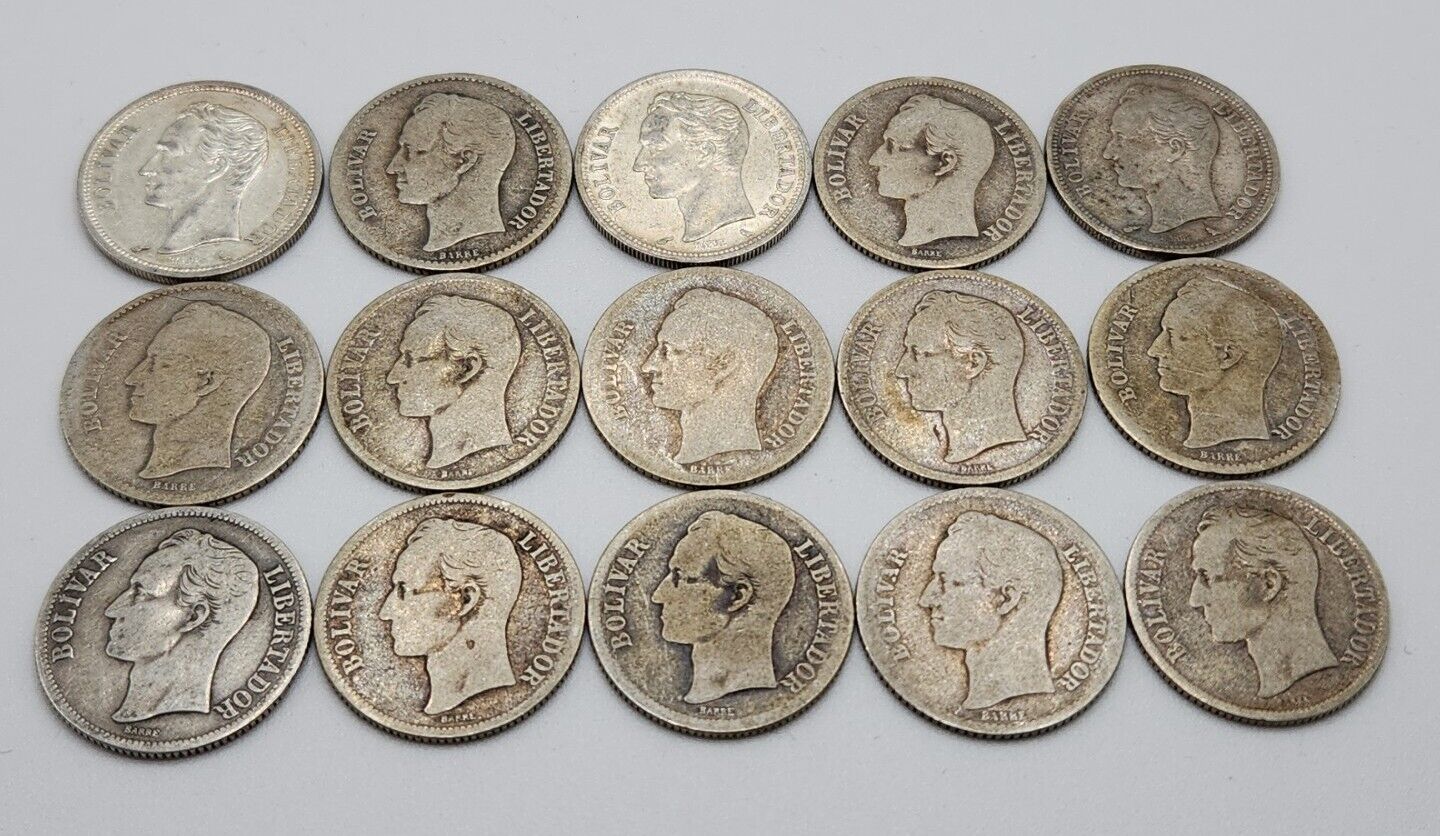
In the 19th century, silver coins played a significant role in the economy of South America due to the region’s abundant silver mines, particularly in Bolivia and Peru. Silver coins were integral to the monetary systems across the continent, serving in everyday commerce, international trade, and as reserves to back paper currencies. These coins also reflect the political changes and efforts toward independence that shaped South America during the 19th and 20th centuries.
Silver coins from South America are now prized by collectors for their historical significance, artistry, and numismatic value. This article delves into the silver coinage of several South American countries, exploring their historical context, types, denominations, and current value in the collector’s market.
Argentina: Silver Coins of the Pampas
Due to its abundance throughout South America, silver coins had been a fundamental part of the Argentine economy during the colonial period. However, after independence, Argentina had to establish its own currency system to replace the Spanish colonial currency.
In 1813, the Argentine government issued the first Argentine 8 Reales, modeled after the Spanish Reales.
By the 1880s, Argentina had established itself as a major exporter of agricultural products, and its economy began integrating more closely with the global market. Argentina’s economic transformation during this period laid the foundation for its emergence as one of the wealthiest nations in the world by the early 20th century.
Silver coins, like the 1 peso and 50 centavos, were key to Argentina’s monetary system until the country moved to a gold standard in the late 19th century.
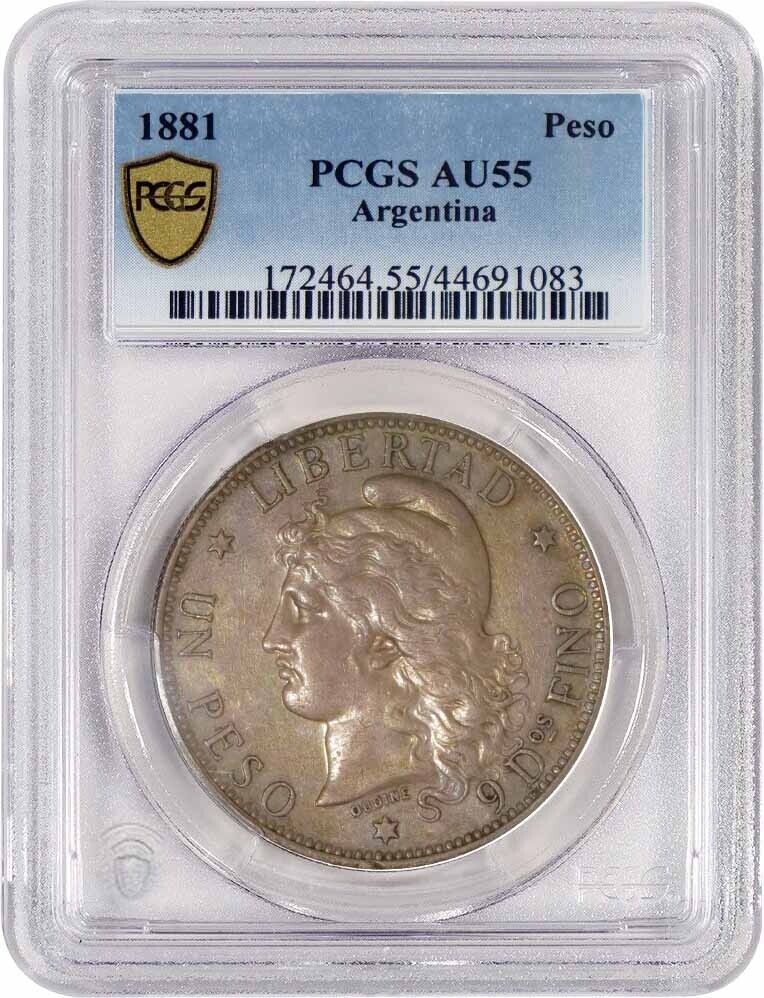
19th Century Silver Coins of Argentina
| Coin | Years | Silver Content | Notable Features | Collectability |
|---|---|---|---|---|
| 8 Reales (Patacones) | 1813–1852 | Based on Spanish 8 Reales | Large silver coins featuring the Sun of May, a key national symbol. | Highly collectible for their historical significance during Argentina’s early independence. |
| Peso | 1881–1896 | .900 fine silver | Introduced to replace the real estate system, these coins were minted primarily for trade and daily use. | High-grade examples are prized, with the 1 Peso coin being especially valued for its silver content. |
| 50 Centavos | 1920–1934 | .900 fine silver | Struck for general circulation; features simple yet elegant designs. | The 1925 and 1926 issues are particularly rare and sought after by collectors. |
| 1 Peso | 1935–1939 | Reduced silver content | Silver coins continued into the 20th century but with decreasing silver content due to inflation. | Collectible for their role in Argentina’s transition period; lower silver content makes them more accessible. |
Collectors demand high-grade examples of Argentine silver coins, especially from the 19th century. Uncirculated 8 Reales coins, depending on their condition, fetch hundreds or even thousands of dollars.
Bolivia: Rich in Silver and History
Bolivia was the heart of South America silver coins during the Spanish colonial era, with the legendary mines of Potosí producing vast quantities of silver for the empire. After independence, Bolivia continued to rely heavily on silver for its economy.

19th Century Silver Coins of Bolivia
| Coin | Years | Silver Content | Notable Features | Collectability |
|---|---|---|---|---|
| 8 Soles | 1827–1859 | High silver content | Modeled after the Spanish 8 Reales; features symbols of Liberty, the mountain of Potosí, and the sun. | Highly collectible for their blend of colonial influence and Bolivian national identity. |
| 4 Soles | 1827–1859 | High silver content | Smaller denomination with similar designs to the 8 Soles, including Liberty and national symbols. | Collectible for their smaller size and intricate designs; sought after by numismatists specializing in Bolivian coinage. |
| 1 Boliviano | 1928–1939 | Primarily silver in larger denominations | Transition to the Boliviano; silver was primarily used for the 1 Boliviano coin. | Valued for its historical significance during Bolivia’s economic and monetary transitions. |
| 50 Centavos | 1937–1942 | .720 fine silver | Minted during post-war economic struggles; known for intricate designs. | Rare and sought after, especially well-preserved examples from this period. |
Bolivia’s 19th-century 8 Soles coins, particularly those minted at the Potosí mint, are highly sought after. Collectors also prize certain 20th-century Bolivianos for their beauty and historical significance.
Brazil: Empire to Republic
Brazil’s transition from an empire to a republic in the late 19th century marked a turning point in its coinage. Silver coins were minted in both periods, providing a fascinating numismatic timeline for collectors.
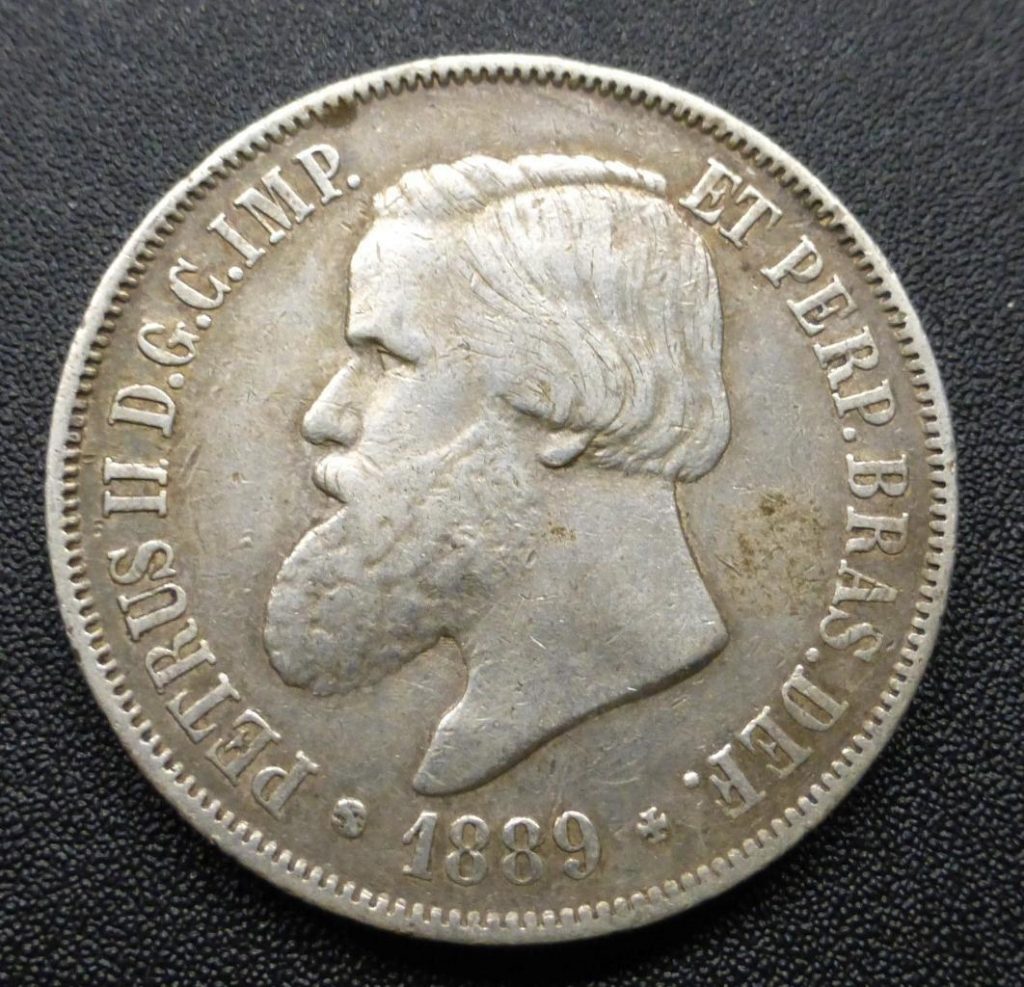
19th Century Silver Coins of Brazil
| Coin | Years | Silver Content | Notable Features | Collectability |
|---|---|---|---|---|
| 960 Réis | 1823–1834 | High silver content | Minted under Emperor Pedro I, these coins were adapted from the Portuguese colonial system but redesigned to reflect Brazil’s independence. | Highly collectible for their historical significance during the early years of Brazil’s independence. |
| 500 Réis | 1834–1889 | Silver | Smaller denomination widely circulated during the Empire of Brazil; simpler designs reflecting everyday usage. | Common among collectors, offering an accessible entry point into Brazilian silver coinage. |
| 2000 Réis | 1901–1935 | .917 fine silver | Issued during the early Brazilian Republic, these coins feature intricate designs representing modernization. | Sought after for their high silver content and connection to Brazil’s early Republican era. |
| 1000 Réis | 1932–1938 | Silver | Part of Brazil’s currency modernization efforts, known for sleek and artistic designs. | Collectible for their aesthetic appeal and historical context of economic reform. |
Brazilian silver coins from the empire, especially in uncirculated condition, are among the most valuable. Coins from the early republic are also prized, particularly those in higher denominations like the 2000 Réis.
Chile: Silver in the Andes
Chile’s abundant mineral resources have always played a crucial role in its economy, and silver coins were a vital part of the country’s monetary system during the 19th and early 20th centuries.
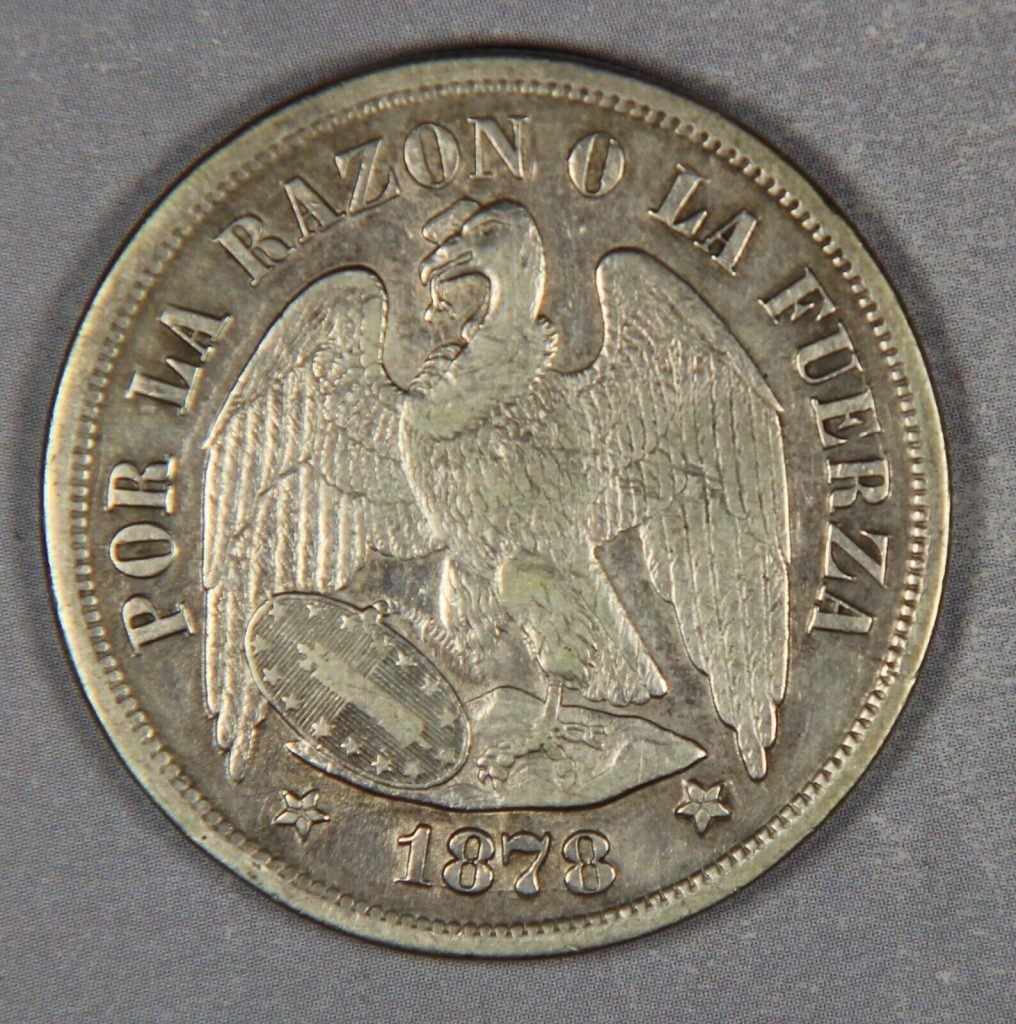
19th Century Silver Coins of Chile
| Coin | Years | Silver Content | Notable Features | Collectability |
|---|---|---|---|---|
| 8 Reales | 1817–1851 | High silver content | Based on the Spanish Reales system, these coins were integral to Chile’s early independent economy. | Highly collectible for their historical significance and role in the transition to independence. |
| Peso | 1860–1900 | .900 fine silver | Featured prominent national symbols such as the condor and volcanoes, symbolizing Chilean identity. | Valued for their high silver content and artistic depictions of Chilean national pride. |
| 1 Peso | 1926–1934 | .720 fine silver | Minted during interwar economic stabilization efforts, with designs reflecting the country’s resilience. | Collectors appreciate these coins for their historical importance and lower silver content compared to earlier issues. |
| 20 Centavos | 1933–1936 | .500 fine silver | A smaller denomination known for its scarcity and intricate designs. | Highly sought after by collectors due to their relative rarity and aesthetic appeal. |
In uncirculated conditions, Chilean 8 Reales and 19th-century pesos are highly prized by collectors. Certain 20th-century pesos are also valuable, mainly when found in pristine conditions.
Colombia: Rich History, Rare Coins
Colombia’s rich history and turbulent political climate have made its silver coins historically significant and relatively scarce. Colombian silver coins are prized for their unique designs and low mintage.
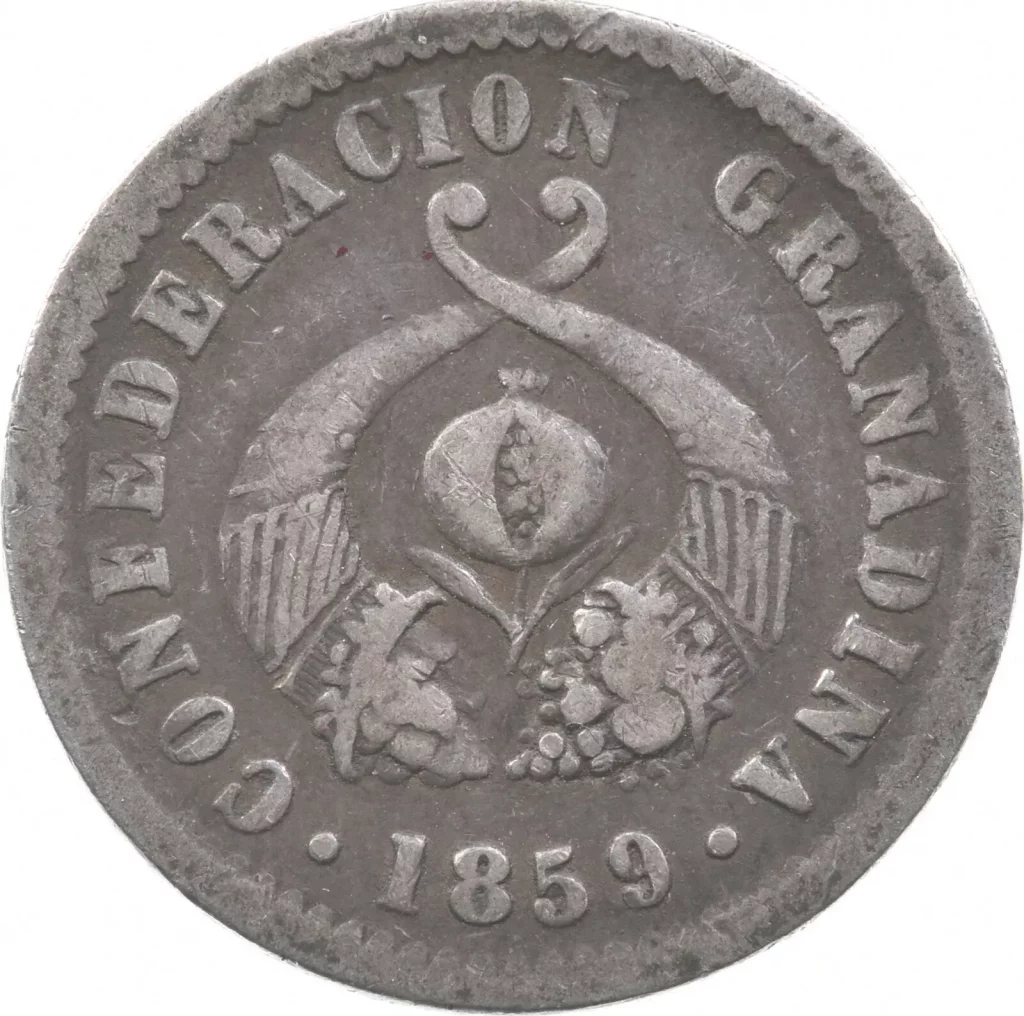
19th Century Silver Coins of Colombia
| Coin | Years | Silver Content | Notable Features | Collectability |
|---|---|---|---|---|
| 8 Reales | 1820–1850 | High silver content | Early Colombian coins featuring the liberty cap and scales of justice, symbolizing freedom and fairness. | Highly collectible for their iconic design and significance during Colombia’s early independence. |
| Peso | 1853–1900 | High silver content | Minted in various cities, with Popayán coins being especially notable for their historical importance. | Sought after by collectors for their craftsmanship and connection to 19th-century Colombian trade. |
| 5 Pesos | 1923–1930 | .900 fine silver | Large silver coins from the early 20th century, reflecting Colombia’s effort to modernize its currency. | Among the most collectible Colombian silver coins due to their size, silver content, and design. |
| 1 Peso | 1910–1930 | .900 fine silver | Widely circulated coins featuring elegant designs and historical relevance to early 20th-century Colombia. | Valued for their usage during Colombia’s economic expansion and for their intrinsic silver value. |
Colombian 8 Reales coins are precious, with mint state examples fetching significant premiums. Early 20th-century pesos are also prized, particularly in higher grades.
Peru: From Spanish Silver to National Pride
Peru’s silver mines were a significant source of wealth for the Spanish empire, and the country continued to mint substantial quantities of silver after gaining independence in the early 19th century.
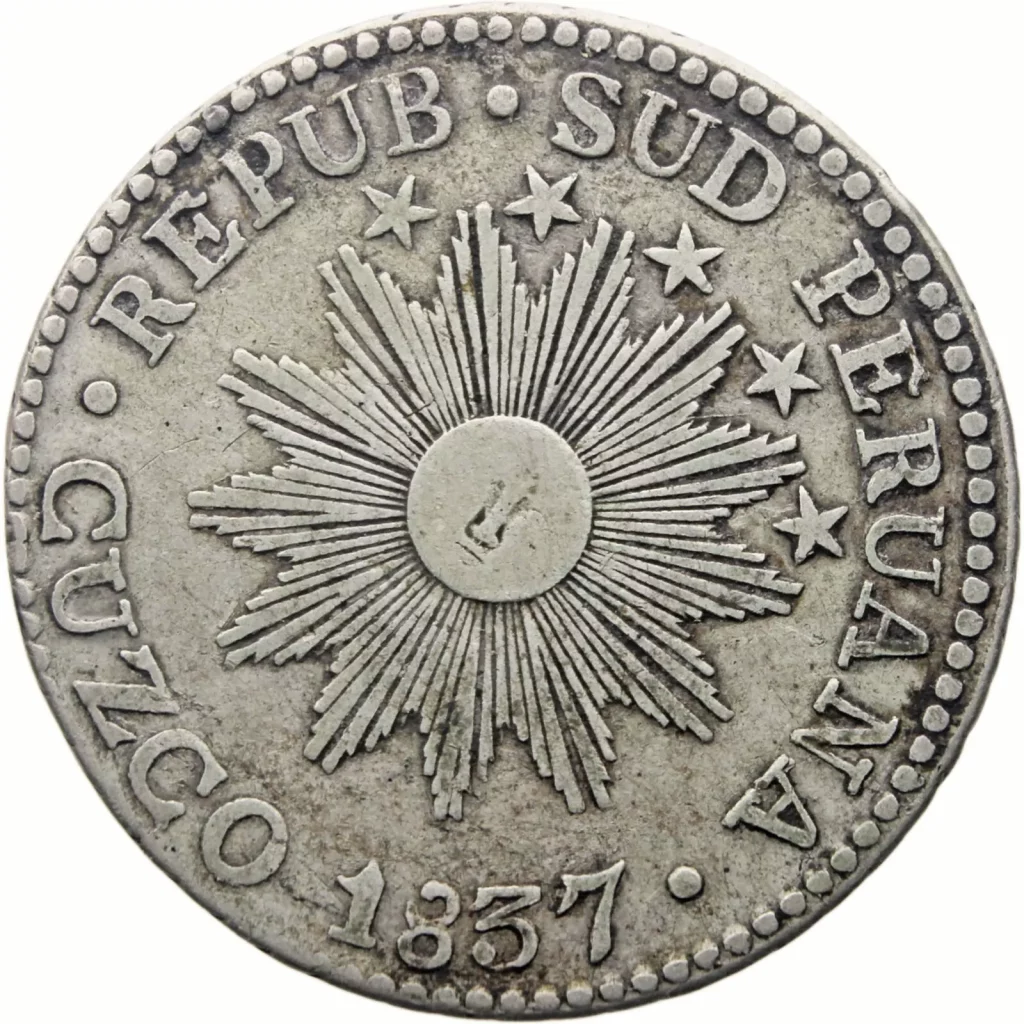
19th Century Silver Coins of Peru
| Coin | Years | Silver Content | Notable Features | Collectability |
|---|---|---|---|---|
| 8 Reales | 1822–1857 | High silver content | Modeled after Spanish colonial designs but minted under the Republic of Peru, featuring national symbols like llamas and liberty caps. | Highly collectible for their historical significance and transitional designs marking Peru’s early independence. |
| Un Sol | 1863–1895 | .900 fine silver | Replaced the 8 Reales; features a seated figure of Liberty, considered one of the most beautiful Peruvian coin designs. | Sought after by collectors for their aesthetic appeal and high silver content. |
| 1/5 Sol | 1901–1917 | .900 fine silver | Smaller denomination widely used in circulation, representing Peru’s modernization of its monetary system. | Collectible for their practical size and historical usage, often found in circulated condition. |
| 1 Sol | 1935–1937 | Silver | Minted in Lima with intricate designs, reflecting mid-20th century artistic and cultural values. | Popular among collectors for their designs and relatively short production period. |
Collectors prefer Peruvian 8 Reales and Un Sol coins in higher grades. Coins from the Lima mint, especially those with low mintages, can fetch premium prices.
Uruguay: A Small Country with Big Silver Coins
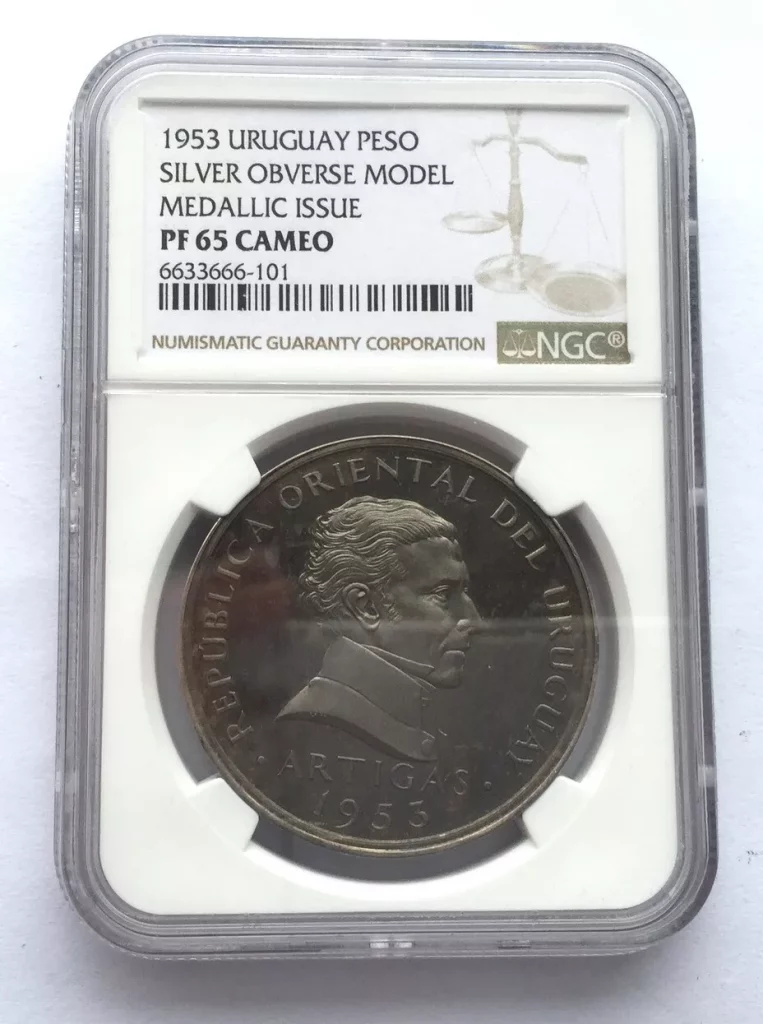
19th Century Silver Coins
Uruguay’s silver coinage reflects its relatively small economy, but its coins are prized for their beauty and rarity.
| Coin | Years | Silver Content | Notable Features | Value Range | Collectability |
|---|---|---|---|---|---|
| 8 Soles | 1854–1869 | High silver content | Large silver coins with intricate designs, reflecting significant historical periods in Uruguay’s history. | $150 to $500, depending on condition. | Highly collectible for their artistic detail and historical significance. |
| 1 Peso | 1930–1937 | Silver | Relatively scarce coins minted in limited quantities, making them sought after by collectors. | $20 to $100, depending on condition. | Valued for their rarity and importance as part of Uruguay’s limited 20th-century silver coinage. |
Venezuela: Silver in a Changing Economy

19th Century Silver Coins
Venezuela’s silver coinage was closely tied to its colonial past and independence struggles.
- 5 Bolívares (1879-1899): These large silver coins feature portraits of prominent Venezuelan figures and are highly collectible. Prices can range from $50 to $500 depending on condition. 20th Century Silver Coins
Venezuela continued to mint silver coins into the 20th century, but inflation and economic struggles reduced silver content.
20th Century Silver Coins
Venezuela continued to mint silver coins into the 20th century, but inflation and economic struggles reduced silver content.
- Bolívar (1935-1945): These smaller silver coins are affordable and popular among collectors, typically ranging from $10 to $40 depending on condition.
The Legacy of South America Silver Coins
South American silver coins are valuable in terms of the metal content and as pieces of history. These coins reflect the political, social, and economic changes that shaped the continent during the 19th and 20th centuries. For collectors, the appeal lies not just in the beauty of these coins but also in the stories they tell about a continent in transition.
From Argentina’s early Reales to Venezuela’s 20th-century Bolívares, each country’s silver coins offer unique insights into their histories. Whether you’re a seasoned collector or just beginning, South American silver coins provide a rich and rewarding area of numismatic study.