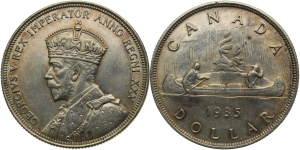
Canadian silver coins from 1935 to 1967 hold a significant place in both numismatic collections and bullion investments. During this period, the Royal Canadian Mint produced coins with an 80% silver content, making them not only historically valuable but also attractive for their intrinsic metal value. This article will guide you through calculating the melt value of these coins and understanding their appeal to collectors worldwide.
Why Collecting Canadian Coins is Fascinating
The allure of Canadian coins extends beyond their monetary value. These coins capture a snapshot of Canada’s rich history, reflecting its growth and development as a nation. They offer enthusiasts a glimpse into the past, with each coin telling a story of its own. Furthermore, Canadian coins often feature intricate designs and beautiful craftsmanship, making them a worthy centerpiece in any collection.
For collectors, Canadian coins represent an opportunity to own a piece of the country’s heritage. The coins’ artistic designs, historical significance, and the occasional mint errors or varieties add layers of interest and value, making them a compelling choice for both novice and seasoned numismatists.

1935-1967 Canadian Silver Dollar
The Canadian Silver Dollar from this period is highly sought after for its design and historical relevance. The coins typically feature the image of King George VI or Queen Elizabeth II on the obverse and the iconic voyageur design or commemorative designs on the reverse.
These coins are composed of 80% silver and 20% copper, with a weight of 23.33 grams. Their silver content makes them valuable not only as collectibles but also for their melt value.
| Condition | Value (USD) |
|---|---|
| Good | $15 – $20 |
| Very Fine | $25 – $50 |
| Uncirculated | $75 – $150 |
The 1948 issue holds a unique place in Canadian numismatics. In the post-World War II era, India’s independence from the British Commonwealth required changes to the Royal Titles on coinage. Production delays resulted in a shortened minting window for the 1948 issue, and only 18,780 pieces were struck at the Royal Canadian Mint in Ottawa.
High-grade examples in AU-58 to MS-63 condition can sell for $1,500 to $3,000 or more depending on market conditions. In MS-65 and higher, prices can easily surpass $5,000 at auction. Beware of counterfeits—third-party certification is essential for authentication and resale value.
1935-1967 Canadian Silver Dime
The Canadian Silver Dime offers a practical way for collectors to invest in silver. These small coins feature the Bluenose schooner on the reverse, a symbol of Canada’s maritime heritage, and the reigning monarch on the obverse.
Weighing 2.33 grams, these dimes are composed of 80% silver and 20% copper. Despite their small size, their historical significance and melt value make them a valuable addition to any collection.
| Condition | Value (USD) |
|---|---|
| Good | $1.50 – $2 |
| Very Fine | $3 – $5 |
| Uncirculated | $10 – $20 |
1935-1967 Canadian Silver Quarter
The Canadian Silver Quarter is a favorite among collectors for its classic caribou design, which first appeared in 1937. The obverse side features the reigning monarch, either King George VI or Queen Elizabeth II.
This coin weighs 5.83 grams and contains 80% silver and 20% copper. Its appealing design and historical context, combined with its silver content, contribute to its desirability in the numismatic market.
| Condition | Value (USD) |
|---|---|
| Good | $3 – $4 |
| Very Fine | $6 – $10 |
| Uncirculated | $20 – $40 |
1935-1967 Canadian Silver Half Dollar
The Canadian Silver Half Dollar is notable for its depiction of the Canadian Coat of Arms, a symbol of national pride and sovereignty. The obverse displays the reigning monarch, providing a consistent theme across the series.
Weighing 11.66 grams, the half dollar comprises 80% silver and 20% copper. This coin’s historical significance and silver content make it a valuable asset to collectors and investors alike.
| Condition | Value (USD) |
|---|---|
| Good | $6 – $8 |
| Very Fine | $12 – $20 |
| Uncirculated | $40 – $80 |
Error Coins and Proof Coins
Error coins from this era can be particularly valuable due to their rarity. These errors may include off-center strikes, double strikes, or incorrect planchet usage. Collectors often seek these coins for their unique characteristics.
Proof coins, typically produced for collectors, showcase superior craftsmanship and detail. These coins are often struck multiple times to achieve a high-quality finish, making them prized possessions in any collection.
In conclusion, Canadian silver coins from 1935 to 1967 offer a compelling combination of historical significance, aesthetic appeal, and intrinsic silver value. Whether you are a seasoned collector or a newcomer to the world of numismatics, these coins provide an enriching and potentially profitable addition to your collection.