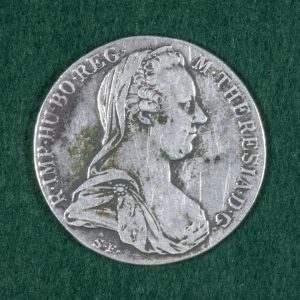
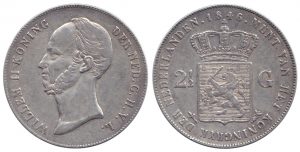
Dutch silver coins span several centuries of Netherlands history, from provincial silver of the Dutch Republic through the post-war Juliana era. Whether you’re tracking down a hefty Rijksdaalder (2½ Gulden) or completing a run of wartime 10-cent pieces, knowing the silver melt value helps you buy and sell with confidence. Use our Netherlands silver coin melt value calculator for live spot-price melt values on every Dutch denomination.
A Brief History of Dutch Silver Coinage
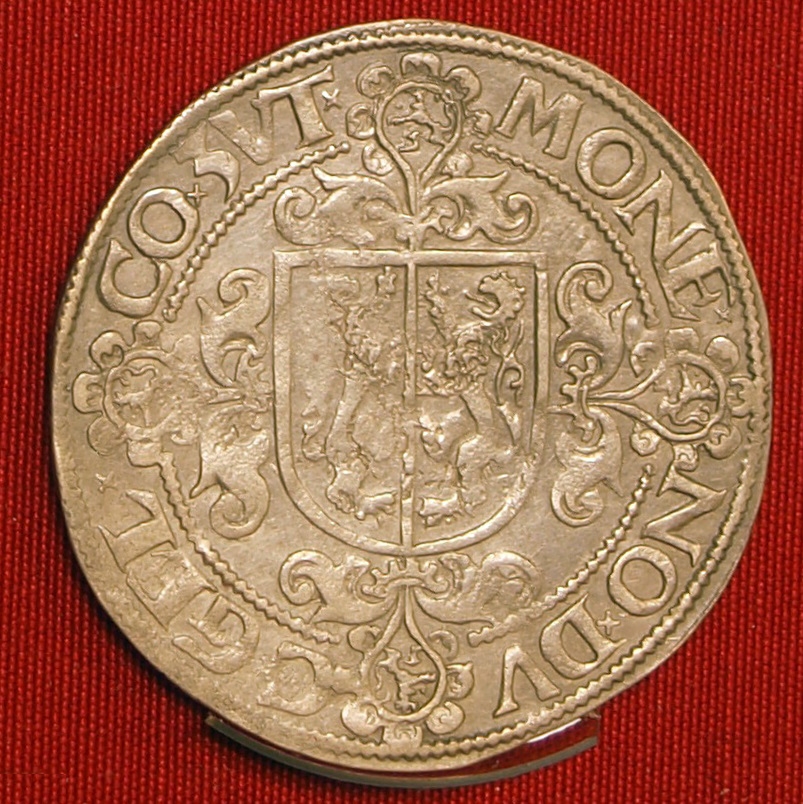
The Netherlands has a rich numismatic tradition reaching back to the medieval period. During the Dutch Republic (1581–1795), the seven provinces each struck their own silver coins — including Leeuwendaalders (lion dollars) and Rijksdaalders — that circulated widely in international trade. After Napoleon’s defeat, the Kingdom of the Netherlands unified its coinage under Willem I with the decimal Gulden system established in 1816.
Dutch silver content went through two major shifts. Pre-1910 coins — Rijksdaalders, Guldens, and half-Guldens — were struck in .945 fine silver, among the highest fineness used by any major European nation. A monetary reform gradually reduced fineness to .720 for most denominations by 1910. The smaller 25-cent and 10-cent pieces used .640 fine silver throughout their silver era. The last Dutch silver circulating coins were struck in 1967; all coins dated 1968 and later contain no silver.
Dutch Silver Coin Denominations and Melt Values
Rijksdaalder — 2½ Gulden
The Rijksdaalder, equivalent to 2½ Gulden, is the flagship Dutch silver coin for collectors. Struck under Kings Willem II and III and Queen Wilhelmina, the large 38mm coin holds substantial silver and is easy to identify by its size and crowned portrait. Note the long gap: no 2½ Gulden was struck between 1875 and 1928.
- 1840–1874 (Willem II & III): 25.00 g, .945 fine — ASW 0.7597 oz — Melt value: 51.47
- 1929–1945 (Wilhelmina): 25.00 g, .720 fine — ASW 0.5787 oz — Melt value: 39.21
1 Gulden
The 1 Gulden piece is the most commonly encountered Dutch silver coin and comes in three distinct silver types across its history. The weight change in 1954 under Juliana significantly affects melt value — a post-war Gulden is lighter and worth less silver than a pre-war one despite being the same denomination.
- 1840–1909 (Willem II, III, early Wilhelmina): 10.00 g, .945 fine — ASW 0.3038 oz — Melt value: 20.58
- 1910–1945 (Wilhelmina): 10.00 g, .720 fine — ASW 0.2315 oz — Melt value: 15.68
- 1954–1967 (Juliana): 6.50 g, .720 fine — ASW 0.1505 oz — Melt value: 10.2
½ Gulden (50 Cent)
The half-Gulden bridges large silver coins and smaller subsidiary coinage. Like the 1 Gulden, it transitioned from .945 to .720 fine silver around 1910, and silver striking ended after 1919.
- 1848–1909: 5.00 g, .945 fine — ASW 0.1519 oz — Melt value: 10.29
- 1910–1919: 5.00 g, .720 fine — ASW 0.1157 oz — Melt value: 7.84
25 Cent
Dutch 25-cent pieces were struck in .640 fine silver. The coin’s weight changed slightly over its history — post-1892 pieces are a touch heavier than earlier issues, giving them a fractionally higher melt value.
- 1848–1890: 3.19 g, .640 fine — ASW 0.0656 oz — Melt value: 4.44
- 1892–1945: 3.575 g, .640 fine — ASW 0.0736 oz — Melt value: 4.99
10 Cent
The smallest silver Dutch denomination, 10-cent pieces were struck in .640 fine silver from the mid-19th century through 1944. Small (15mm) and lightweight, their silver adds up quickly in bulk.
- 1848–1944: 1.40 g, .640 fine — ASW 0.0288 oz — Melt value: 1.95
Dutch Silver Coin Melt Value Reference Table
All melt values below update automatically with the current silver spot price.
| Denomination | Years | Weight (g) | Fineness | ASW (troy oz) | Melt Value |
|---|---|---|---|---|---|
| 2½ Gulden (Rijksdaalder) | 1840–1874 | 25.00 | .945 | 0.7597 | 51.47 |
| 2½ Gulden (Rijksdaalder) | 1929–1945 | 25.00 | .720 | 0.5787 | 39.21 |
| 1 Gulden | 1840–1909 | 10.00 | .945 | 0.3038 | 20.58 |
| 1 Gulden | 1910–1945 | 10.00 | .720 | 0.2315 | 15.68 |
| 1 Gulden | 1954–1967 | 6.50 | .720 | 0.1505 | 10.2 |
| ½ Gulden (50 Cent) | 1848–1909 | 5.00 | .945 | 0.1519 | 10.29 |
| ½ Gulden (50 Cent) | 1910–1919 | 5.00 | .720 | 0.1157 | 7.84 |
| 25 Cent | 1848–1890 | 3.19 | .640 | 0.0656 | 4.44 |
| 25 Cent | 1892–1945 | 3.575 | .640 | 0.0736 | 4.99 |
| 10 Cent | 1848–1944 | 1.40 | .640 | 0.0288 | 1.95 |
Collector Notes: Identifying Dutch Silver Coins
The 1967 Cutoff — Silver vs. Non-Silver
The single most important rule for Dutch coin buyers: any coin dated 1968 or later contains no silver. The Netherlands switched to nickel coinage in 1968. The 1967-dated 10-cent, 25-cent, and 1 Gulden are the last silver issues of each denomination — and they look identical to later base-metal pieces. Always check the date first.
Key Dates and Scarce Issues
Several Dutch silver coins command premiums well above melt value. Among Rijksdaalders, the 1929 and 1930 Wilhelmina issues had low mintages and are sought by type collectors. For 1 Gulden pieces, the 1907 Wilhelmina is notably scarcer than surrounding years. The wartime 1943–1945 issues struck at the Philadelphia and San Francisco Mints (marked “P” or “S”) are popular with collectors of both Dutch and American numismatics — and carry the same silver content as domestic strikes.
Occupation-Era Zinc Coins
During the German occupation (1941–1944), zinc substitute coins were issued for the 1, 2½, 5, 10, and 25-cent denominations. These contain no silver, weigh noticeably less, and often show corrosion or pitting. If a small Dutch coin feels unusually light, it’s almost certainly zinc — worth face value at best.
Ready to run the numbers? Our Netherlands silver coin value calculator updates with live silver spot prices and covers every denomination listed above.