Understanding the melt value of world silver coins is a foundational skill for collectors. Whether you’re sorting through an estate collection, evaluating foreign silver coins at a shop, or simply trying to understand what a coin is worth based purely on its metal content, knowing how melt value works removes uncertainty.
This guide explains how to calculate melt value step by step, why it matters, and where collectors often make mistakes. No price predictions, no investment advice — just the mechanics behind silver coin valuation.
What Is Melt Value?
Melt value is the intrinsic value of a coin based solely on the amount of precious metal it contains, calculated using the current spot price of silver.
It does not account for:
- Rarity
- Collector demand
- Condition or grade
- Historical significance
For world silver coins, melt value acts as a baseline reference, especially for common or heavily circulated issues.
The Three Pieces of Information You Need
To calculate melt value accurately, you need just three data points:
- Coin weight
- Silver purity
- Current silver spot price
Once you have those, the math is straightforward.
Step 1: Determine the Coin’s Actual Silver Weight (ASW)
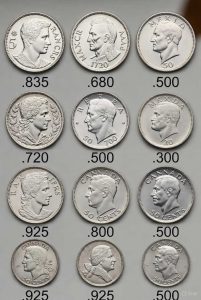
World silver coins are rarely pure silver. Most were minted in alloys such as:
- .900 fine
- .835 fine
- .800 fine
- .720 fine
- .500 fine
To find the Actual Silver Weight (ASW):
ASW = Total coin weight × silver purity
Example:
A coin weighs 25 grams and has .720 silver purity.
25 × 0.720 = 18 grams of pure silver
Since precious metals are priced in troy ounces, convert grams to troy ounces:
18 ÷ 31.1035 = 0.5787 troy ounces of silver
Step 2: Apply the Current Silver Spot Price
Once you know the ASW, multiply it by the live silver spot price.
Example:
- ASW: 0.5787 troy oz
- Silver spot price: $69.21 per oz
0.5787 × 69.21 = $40.05 melt value
That number represents the coin’s intrinsic metal value at that moment in time.
Step 3: Understand What Melt Value Does (and Doesn’t) Tell You
Melt value answers one specific question:
“What is this coin worth if only the silver content is considered?”
It does not tell you:
- What a collector might pay
- What a dealer will offer
- Whether the coin is rare or desirable
Some world silver coins trade below melt, others far above melt, depending on market demand, condition, and availability. Check out the recent sold listings for similar coins on eBay if you’re looking for examples of what collectors are willing to pay in the current market. Keep in mind that the final sales price shown is roughly 15% higher than what the seller receives after combining listing fees, final auction fees, and PayPal fees.
Real-World Examples Using Common World Silver Coins
Example 1: Mexican 10 Pesos (1955–1959)
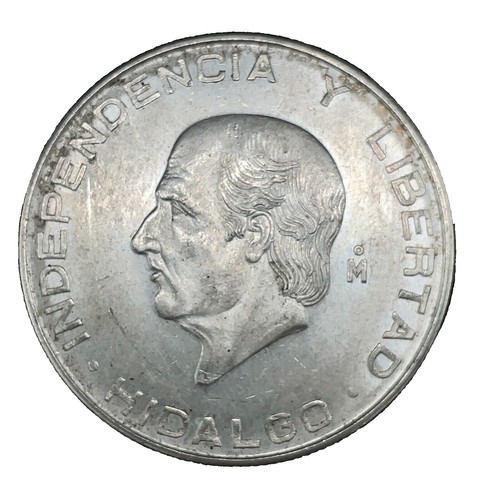
- Weight: 28.888 grams
- Purity: .720 silver
- ASW: 0.668 troy oz
At $69.21 silver:
0.668 × 69.21 = $46.23 melt value
Many circulated silver pesos trade close to melt due to high availability.
Example 2: Canadian 50 Cents (Pre-1967)

- Weight: 11.66 grams
- Purity: .800 silver
- ASW: 0.300 troy oz
At $69.21 silver:
0.300 × 69.21 = $20.76 melt value
Higher-grade early Canadian Half Dollar examples may exceed melt due to collector demand.
Example 3: French 5 Francs (Hercules Type)
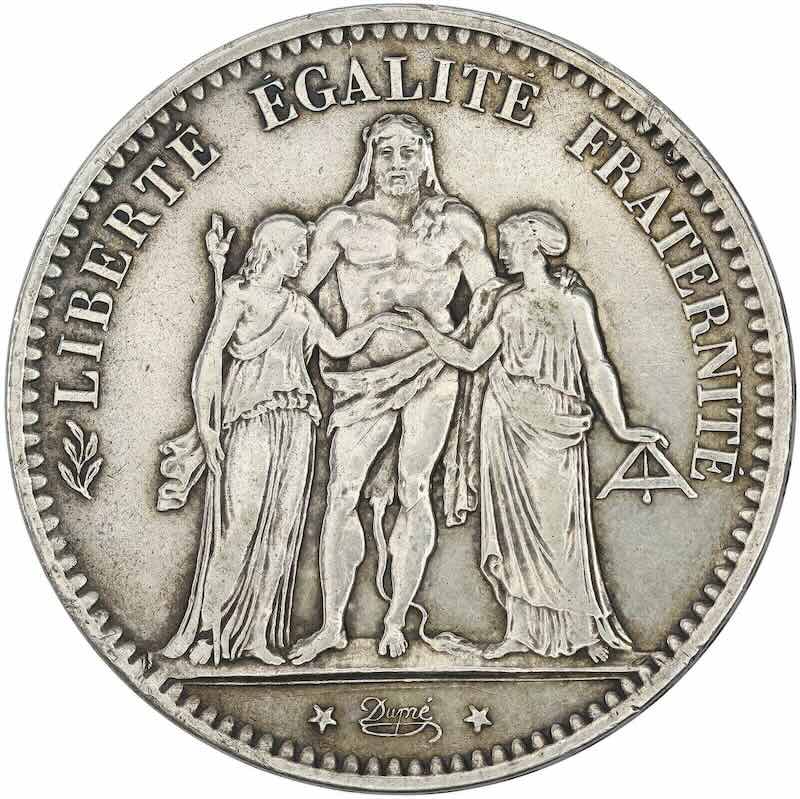
- Weight: 25 grams
- Purity: .835 silver
- ASW: 0.671 troy oz
At $69.21 silver:
0.671 × 69.21 = $46.44 melt value
Even worn French silver francs coins often trade near or slightly above melt due to popularity.
Common Mistakes Collectors Make When Calculating Melt Value
1. Using Total Weight Instead of Silver Weight
Alloy metals (usually copper) must be excluded.
2. Confusing Grams and Troy Ounces
Spot prices are quoted per troy ounce, not standard ounces.
3. Assuming Melt Value Equals Market Value
Melt is a reference point, not a guaranteed sale price.
4. Ignoring Purity Changes by Year
Many countries reduced silver content over time — sometimes dramatically.
Why Melt Value Still Matters for Collectors
Even for numismatic collectors, melt value plays a critical role:
- Establishes a pricing floor
- Helps identify overpriced bulk silver
- Prevents paying bullion premiums for common coins
- Provides clarity during volatile silver markets
For estate evaluations and inherited collections, melt value is often the starting point before deeper numismatic analysis.
Using Melt Value Tools and Tables
Manually calculating melt value is useful for understanding the process. For practical use, most collectors rely on:
- Country-specific melt tables
- Individual coin melt listings
- Live silver price integrations
These tools remove calculation errors and allow quick comparisons across dozens or hundreds of coins.
Final Thoughts
Calculating melt value for world silver coins isn’t complicated — but accuracy matters. Understanding weight, purity, and spot price gives collectors a reliable baseline for evaluating silver coins from any country or era.
Melt value won’t tell you everything about a coin, but it ensures you’re never guessing about its intrinsic metal worth.
Educational Notice
This article is for informational and educational purposes only. It does not constitute financial, investment, or purchasing advice. Precious metal prices fluctuate, and market values may differ from melt value based on numerous factors. Always verify specifications and consult reputable numismatic references when evaluating coins.