Key Summary
- World coins offer affordable entry points for collectors while serving as stores of value.
- Many vintage coins combine numismatic appeal with historical significance.
- Secondary market coins often provide lower premiums compared to newly minted options, enhancing their investment potential.
For collectors and investors alike, world coins present a fascinating opportunity to combine the enjoyment of numismatics with the benefits of precious metals investing. Affordable, diverse, and historically significant, world coins offer something for everyone—whether you’re starting a collection or expanding an existing portfolio. Below, we explore ten world coin types that provide a blend of aesthetic appeal, historical value, and affordability.
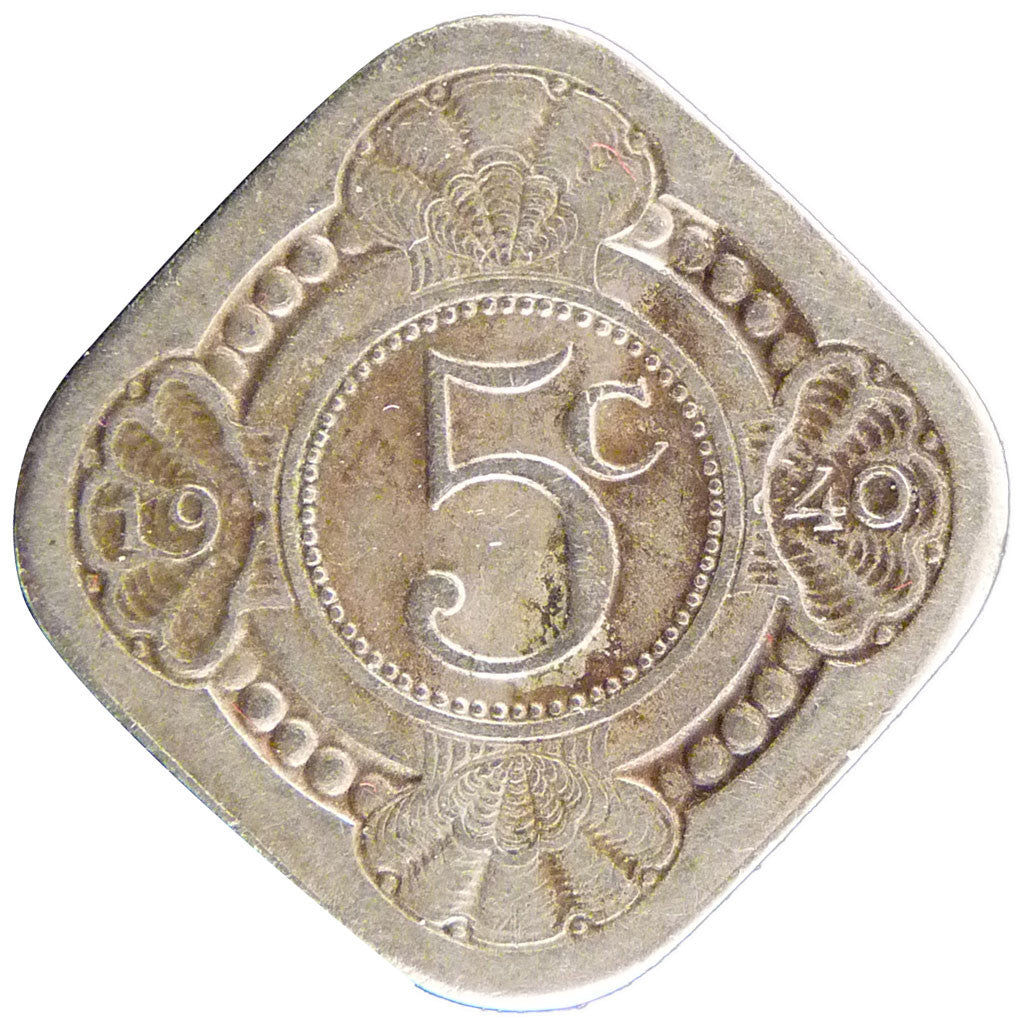
1. 1913–1940 Netherlands 5 Cent Pieces
These diamond-shaped coins from the Netherlands stand out for their intricate artistry. The reverse design features scallop shells housing the digits of the date, flanked by delicate pearls. Minted in copper-nickel, they provide an affordable entry point for collectors, often priced at $5 or less for circulated examples. Beyond their aesthetic appeal, these coins reflect a period of rich European history, making them a meaningful addition to any collection.
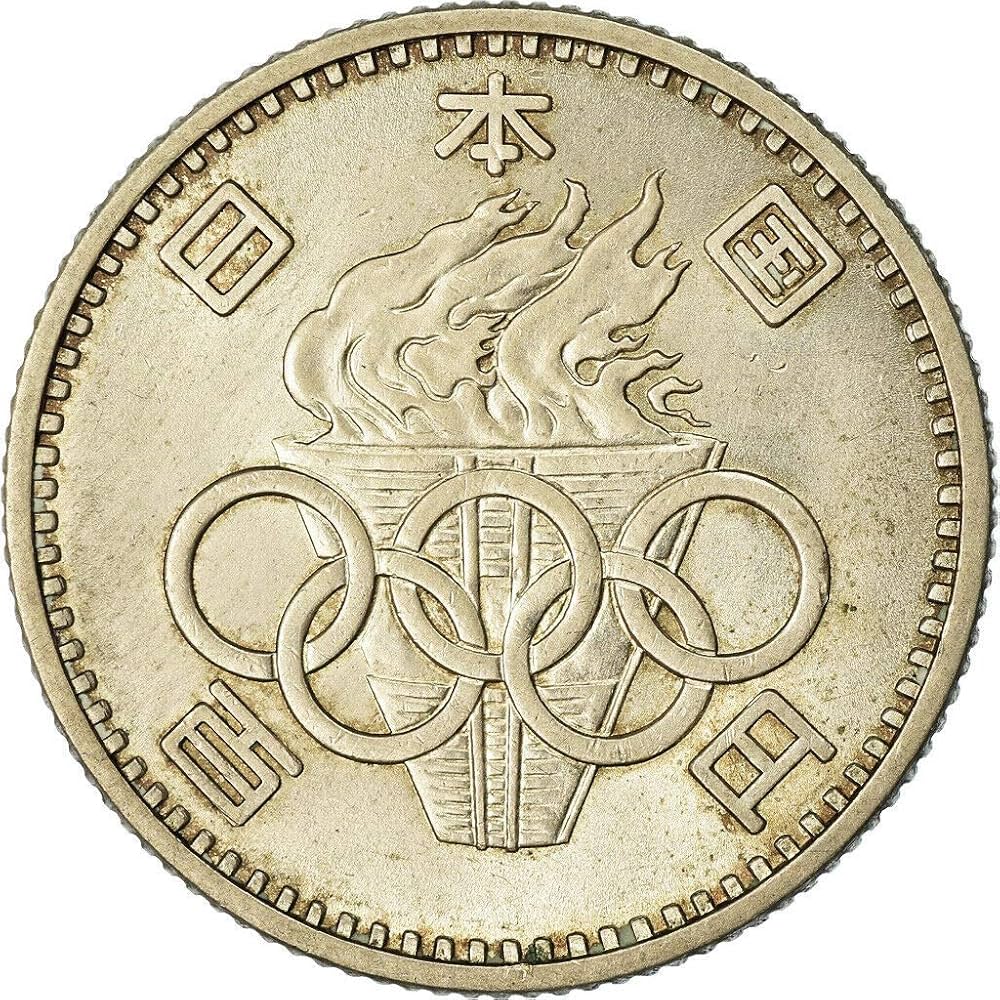
2. 1964 Japan 100 Yen Olympics Commemorative Coin
Japan’s 1964 100 Yen coin commemorates the Tokyo Summer Olympics and showcases a unique stylized design featuring Olympic rings and traditional motifs. With 80 million minted, this coin remains accessible, selling for as little as $10 in circulated grades. It contains 0.0926 troy ounces of silver, offering both numismatic and intrinsic value. This coin also exemplifies Japan’s post-war modernization and its emerging global influence.
3. 1922–1936 Canada 5 Cent Nickels
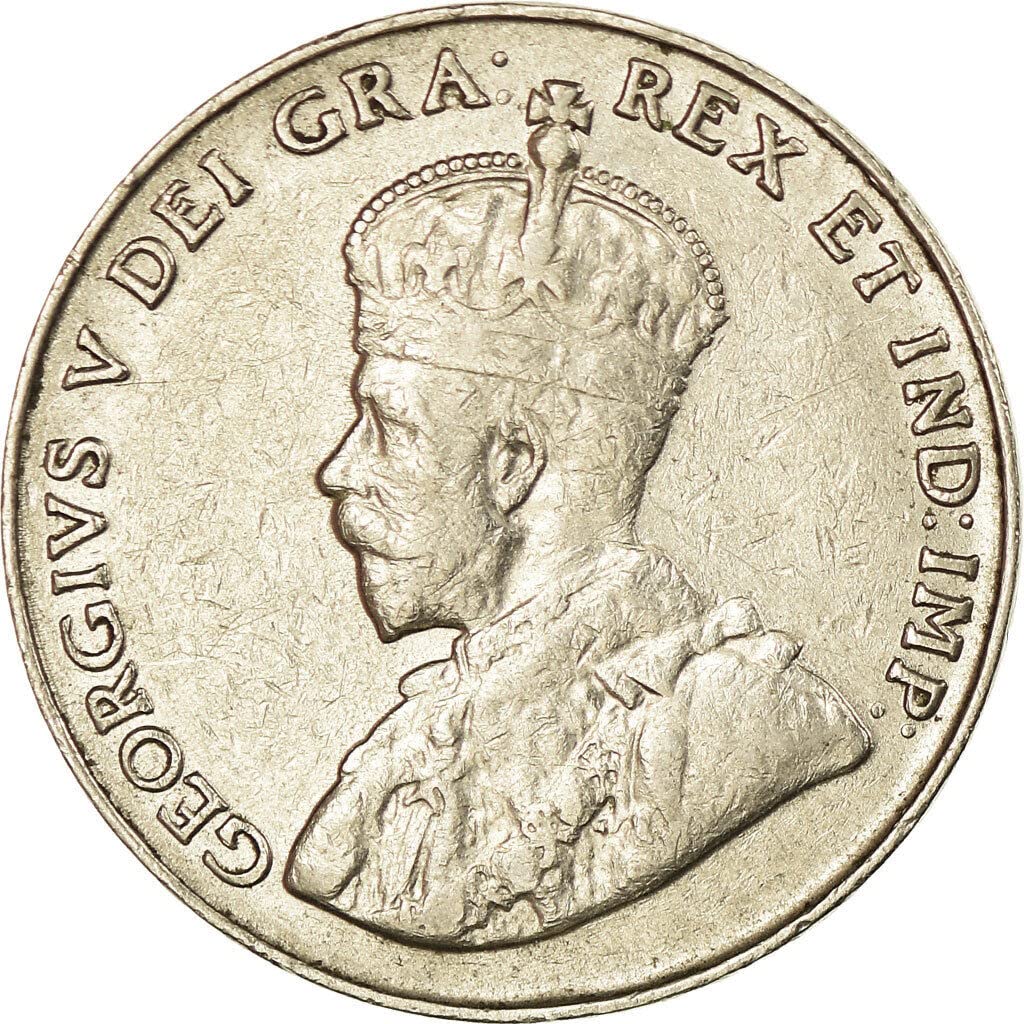
The iconic maple leaf design on Canada’s 5 Cent nickels captures the spirit of a growing nation. With a dignified portrait of King George V on the obverse, these pure nickel coins offer collectors a blend of beauty and durability. Circulated examples of common dates like 1922 and 1936 can be acquired for under $5, making them an economical way to start or expand a collection.
4. 1898–1921 French 5 and 10 Centimes
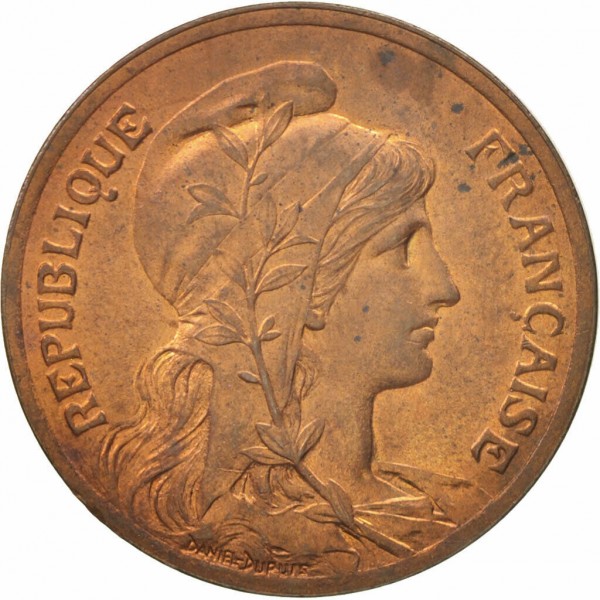
French centimes from this era are celebrated for their elegant artistry. The reverse design, featuring “Republic Protecting Her Child,” is a hallmark of French numismatic beauty. While the 10 centime coins command slightly higher prices than their smaller counterparts, both remain budget-friendly, often available for under $10 in higher circulated grades. These coins also reflect the artistic values of France’s Belle Époque period.
5. Bahamas Fish Coins
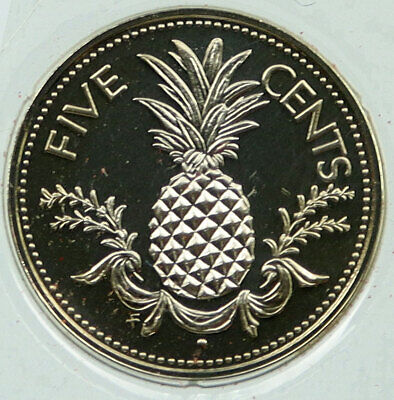
The Bahamas’ marine-themed coinage from the 1960s and 1970s features striking designs, including a leaping blue marlin on the 50 cent pieces and bonefish on the scalloped 10 cent coins. These copper-nickel coins are highly affordable, with most examples priced under $2. Silver 50 cent pieces, containing 0.2667 ounces of silver, also offer a low-cost entry to precious metal collecting.
6. Peruvian Seated Coinage (Late 19th Century)
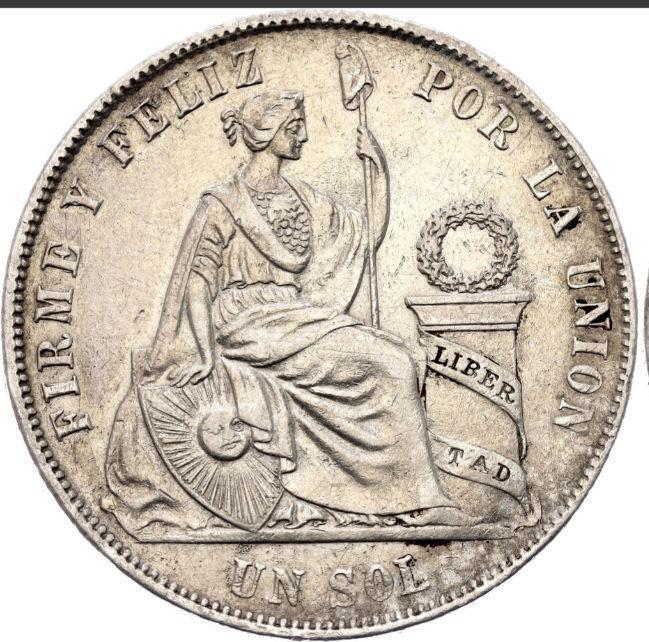
Peru’s 1/2 dinero and 1 dinero coins closely resemble the U.S. Seated Liberty series in design, but they are significantly more affordable. With identical weight and fineness to their American counterparts, these coins provide a budget-friendly alternative for collectors who appreciate vintage designs. Circulated examples are often available for under $20, making them an attractive option for starting a South American coin collection.
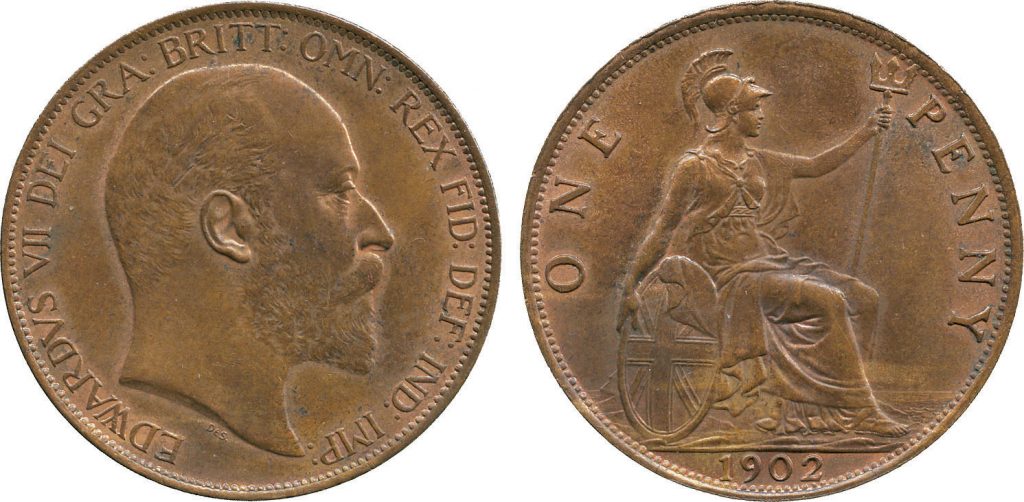
7. British Pennies and Halfpennies
The iconic seated Britannia design graced British pennies and halfpennies until 1936, offering an understated elegance that appeals to collectors. With more than 100 dates to choose from, many coins from the Victorian era through the mid-20th century remain accessible, priced under $10 for circulated grades. These coins are a gateway to exploring Britain’s numismatic legacy.
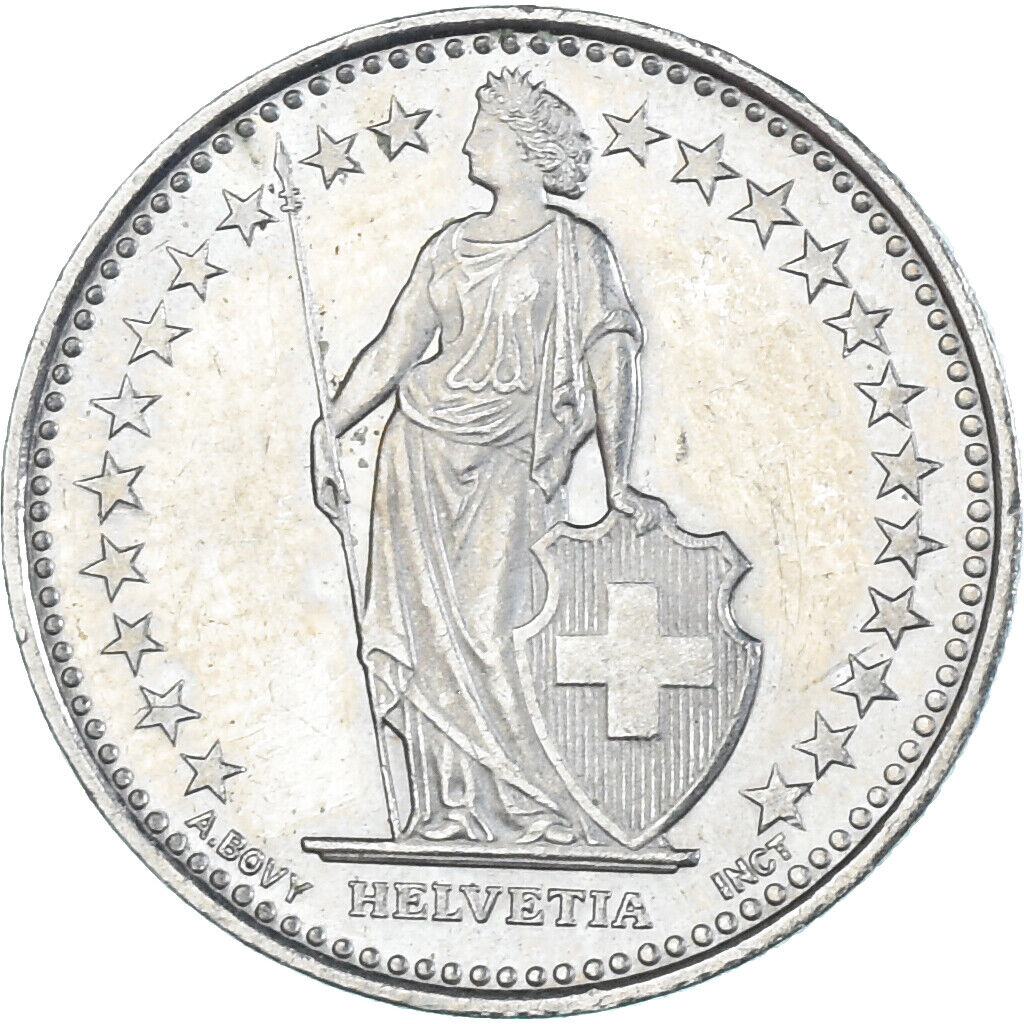
8. Silver Swiss 1/2 Franc
The Swiss 1/2 Franc is a testament to consistency in design, remaining unchanged in size and appearance since 1874. Silver issues minted before 1967 contain 0.0671 ounces of silver and are available for less than $10 in most grades. These coins combine simplicity, affordability, and durability, making them an ideal starting point for collectors and investors.
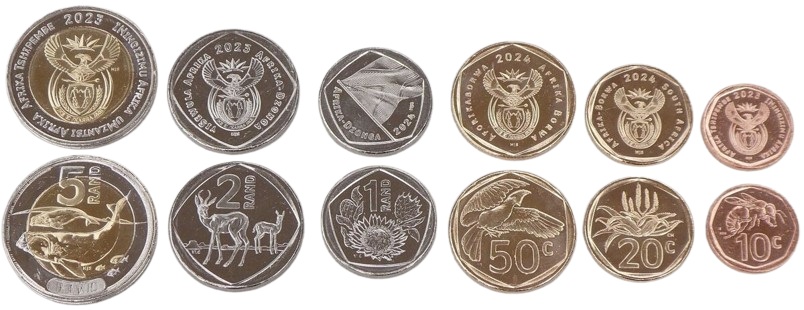
9. South African Wildlife Coinage
South Africa’s early decimal coinage features native wildlife like the Cape sparrow, wildebeest, and blue crane, reflecting the country’s biodiversity. The .500 fine silver 50 cent coins minted between 1961 and 1965 showcase the iconic springbok, a design later adopted for the gold Krugerrand. These silver coins are an affordable way to explore South African numismatics, with most examples priced under $15.
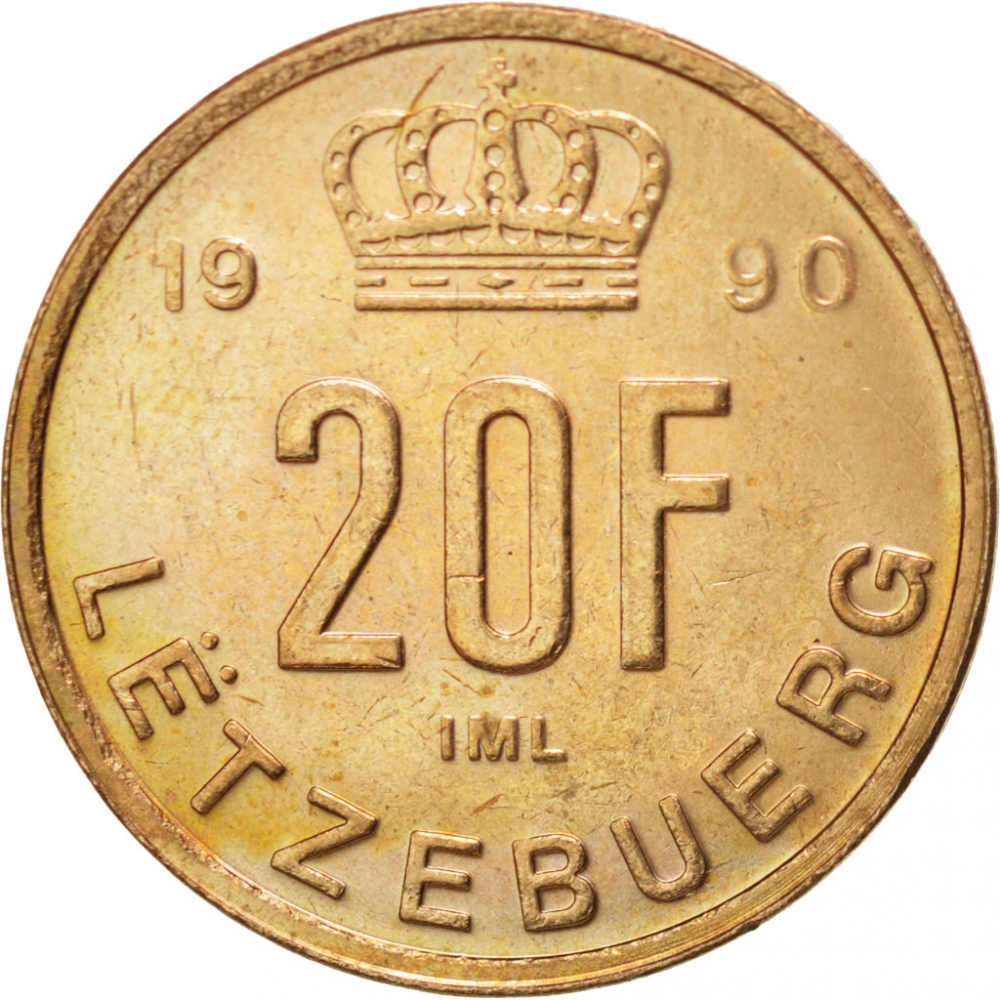
10. 20th-Century Coinage of Luxembourg
Luxembourg’s minimalist coin designs include themes like traditional farming, as seen on the 50 centimes of 1930. This one-year type coin depicts a small farmer hoeing a field by hand, capturing a nostalgic image of rural life. These pure nickel coins are priced affordably, offering a glimpse into the duchy’s limited yet culturally rich numismatic output.
Comparing Premiums of World Coins
World coins often provide lower premiums over their intrinsic value compared to U.S. coins. For example, secondary market vintage gold coins like the British Sovereign or French 20 Francs typically carry premiums of 5–8% over spot price, whereas newly minted bullion coins like the American Gold Eagle often exceed 10–15%. This cost efficiency makes vintage coins attractive for both collectors and investors.
| Coin | Secondary Market Premium | Newly Minted Premium |
|---|---|---|
| 20 Francs Gold Coin | 5–8% | N/A |
| British Sovereign | 6–9% | N/A |
| 1 oz Gold Maple Leaf | 3–5% | 8–10% |
Why Secondary Market Coins Offer Value
Secondary market coins provide an affordable way to diversify a collection while preserving wealth. These coins are often available at a fraction of the premium charged for newly minted bullion and offer the added benefit of historical appeal. For collectors and investors seeking value without sacrificing authenticity or quality, secondary market world coins are an excellent choice.
By focusing on vintage coins, collectors can combine the joy of owning a tangible piece of history with the security of a time-tested store of wealth. Whether you’re interested in artistry, history, or financial stability, these ten coins offer an affordable and meaningful way to start your journey in precious metals collecting.
References
- World Gold Council: Gold and its timeless value
- Kitco: Daily Precious Metals News
- Numismatic Guaranty Company (NGC): World Coin Price Guide